


Understanding Gynecomastia vs Fat is one of the most important steps for men who notice an enlarged chest and are unsure whether it is caused by glandular breast tissue or excess chest fat. Although both conditions create similar physical changes, the causes, symptoms, and treatment options are very different. Knowing the difference helps men choose the safest and most effective approach for restoring a flatter, more masculine chest.
Many patients feel frustrated when chest changes continue despite regular exercise or weight loss. Because gynecomastia and chest fat can look similar, learning the key differences provides clarity and confidence as you explore treatment options with Matthew Schulman, M.D. – Plastic Surgery.
Introduction to Chest Enlargement
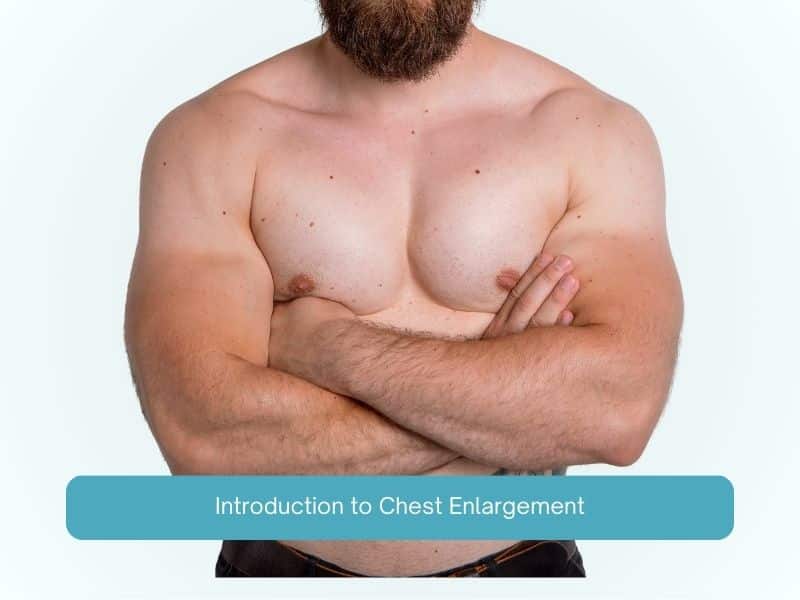
Chest enlargement in men can occur for two main reasons: gynecomastia or excess chest fat. Each condition affects the chest area differently and requires its own form of treatment. Determining whether the cause is glandular breast tissue or adipose tissue helps guide the best path forward.
Understanding the difference between gynecomastia and chest fat is essential because each one responds differently to diet, exercise, and surgical treatment. While chest fat is related to overall body fat, gynecomastia involves excess glandular tissue that does not shrink with weight loss.
Gynecomastia develops when glandular breast tissue grows due to hormonal imbalances, medication effects, health conditions, or lifestyle factors. Chest fat, on the other hand, results from accumulating adipose tissue in the chest area, often linked to weight gain or poor diet.
Both conditions can affect one or both breasts, leading to an enlarged chest that may resemble female breasts. Hormonal imbalances, weight gain, certain medications, and medical conditions can all contribute to these changes.
Causes of Gynecomastia
Gynecomastia occurs when hormone levels shift, especially when estrogen becomes too high relative to testosterone. This imbalance triggers the growth of male breast tissue, creating a firm lump beneath the nipple.
Several factors can contribute to gynecomastia:
- Hormonal imbalances during puberty, aging, or medical conditions
- Certain medications, including aids medications, antidepressants, heart medications, and anti-anxiety drugs
- Anabolic steroids used for muscle growth
- Medical conditions such as liver disease, cirrhosis and liver failure, kidney failure, or hormone-related tumors
Gynecomastia often causes tenderness, sensitivity, and emotional distress because of the feminized appearance of the chest. Often, treating gynecomastia requires more than weight loss—especially when excessive glandular tissue or a solid lump is present.
Depending on the severity, treatment may include medication, gynecomastia surgery, or male breast reduction surgery, which removes glandular breast tissue and sometimes excess skin.
Causes of Excess Chest Fat
Excess chest fat, known as pseudogynecomastia, is caused by an increase in adipose tissue rather than glandular tissue. This happens when overall body fat increases, especially due to lifestyle factors.
Common causes include:
- Weight gain
- Poor diet or high-calorie eating habits
- Lack of exercise
- High body weight and high fat cells in the chest area
Chest fat usually feels soft, unlike the solid lump seen in gynecomastia. It may create a saggy or droopy appearance, especially when excess fat combines with excess skin.
Because pseudogynecomastia is caused by fat rather than breast glands, it typically improves with:
- A healthy diet
- Regular exercise
- Fat loss
- Weight reduction programs
In persistent or severe cases, liposuction may be recommended to remove excess fatty tissue that does not respond to lifestyle changes.
Diagnosing Gynecomastia
An accurate diagnosis is essential when determining gynecomastia vs chest fat. A physical exam allows a doctor to evaluate the chest region and identify whether excess breast tissue or excess fat tissue is present.
During evaluation, the doctor may:
- Examine the chest area for firm glandular tissue
- Ask about medication use, hormone history, or weight changes
- Evaluate both sides, since gynecomastia may affect one or both breasts
- Order imaging tests to look for glandular tissue, fatty tissue, or rare concerns like cancer cells
A correct diagnosis ensures that men receive the proper treatment, whether it involves reducing chest fat or pursuing treating gynecomastia through surgical treatment.
The Gynecomastia Pinch Test
The gynecomastia pinch test is a simple method used to help identify the presence of glandular breast tissue.
Here is how it works:
- Gently pinch the area beneath the nipple
- If a firm, rubbery lump is present, it may indicate gynecomastia
- If the chest feels soft, it is more likely excess chest fat
While this test is helpful, it does not replace a medical assessment. A doctor can provide a more accurate diagnosis and explain whether you have gynecomastia or chest fat.
Fat: How to Tell
Learning fat: how to tell the difference between chest fat and gynecomastia helps men make informed decisions.
Signs of Excess Chest Fat
- Soft texture
- More spread out across the chest
- Often linked to high overall body fat
- Chest fat responds to diet and exercise
Signs of Gynecomastia
- Feels like a solid lump under the nipple
- May cause tenderness
- Often localized, not spread evenly
- Does not shrink with weight loss
Understanding these key differences is essential for diagnosis and for choosing the right treatment strategy.
Treatment Options
Treating Gynecomastia
In most cases, gynecomastia requires male breast reduction surgery, which removes excess glandular tissue, breast glands, and sometimes excess chest tissue. This procedure creates a flatter, more masculine chest.
If hormonal imbalances are the cause, medication may help—but this depends on timing, severity, and underlying conditions.
Treating Excess Chest Fat
For chest fat, treatment focuses on:
- A healthy diet
- Weight loss
- A consistent exercise routine
- Targeted training for the pectoral region
When stubborn fatty tissue remains, liposuction can help create a smoother, more well-defined shape.
Reducing Excess Chest Fat
Men looking to reduce chest fat can see improvement through lifestyle changes. The chest fat vs gynecomastia distinction matters here because fat can shrink, while glandular tissue cannot.
Best practices include:
- Following a balanced eating plan
- Avoiding a poor diet high in sugar or processed foods
- Regular chest-focused workouts
- Losing body weight gradually
In persistent cases, liposuction helps remove excess fat tissue, improving the chest contour when fat does not respond to exercise.
Impact of Certain Medications
Some medications are known to cause gynecomastia, including:
- Aids medications
- Anabolic steroids
- Medications for anxiety, depression, or heart conditions
These medications can increase breast tissue or lead to excessive glandular tissue, especially in men with existing hormonal issues.
It is important to discuss all medications with your healthcare provider if you notice enlarged chest or changes in male breast tissue.
Gynecomastia and Chest Fat
Both conditions affect self-esteem and confidence. Men often feel frustrated when they cannot achieve a masculine chest contour through typical weight-loss methods alone.
A board certified plastic surgeon can offer guidance, diagnose the exact cause, and recommend the right treatment, from gynecomastia surgery to lifestyle recommendations or fat-reduction procedures.
Chest Contour
A natural, masculine chest contour is often the goal for men experiencing chest enlargement. While diet and exercise help reduce fat, gynecomastia vs chest fat requires different approaches.
Gynecomastia typically requires surgery to remove glandular tissue, while chest fat responds well to fat loss and chest-building workouts.
Diet and Exercise
Diet and exercise are essential for managing excess chest fat. Improving nutrition and reducing body fat helps shrink fatty tissue in the chest.
Tips include:
- A balanced, high-protein diet
- Strength training and cardio
- Targeted chest exercises
However, unlike gynecomastia, chest fat reductions do not affect glandular breast tissue. This is why men with true gynecomastia see little or no change despite weight loss or an active lifestyle.
Gynecomastia vs Chest Fat
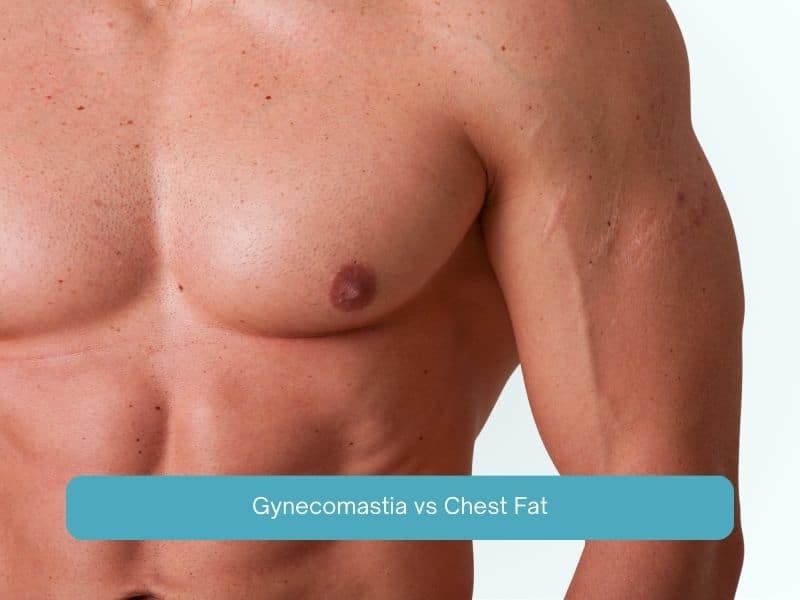
Understanding chest fat vs gynecomastia is key for selecting the right treatment.
Chest Fat
- Caused by fat tissue
- Responds to weight loss
- Soft, spread-out texture
Gynecomastia
- Caused by glandular breast tissue
- Requires surgery in most cases
- Firm lump beneath nipple
Because treatment varies greatly, men should seek evaluation before choosing cosmetic surgery or lifestyle-based approaches.
FAQs: Gynecomastia vs Fat
What is the difference between gynecomastia vs fat?
The main difference in gynecomastia vs fat is the type of tissue involved. Gynecomastia includes glandular breast tissue, while chest fat is caused by adipose tissue. Gynecomastia does not shrink with diet and exercise, but chest fat often does.
How can I tell if I have gynecomastia or chest fat?
You can start with the gynecomastia pinch test: a firm lump suggests glandular tissue, while soft tissue suggests fat. However, a doctor must confirm whether the enlargement comes from excess breast tissue or excess chest fat for proper treatment.
What is gynecomastia recovery like?
Gynecomastia recovery typically involves mild swelling, bruising, and chest tightness during the first few days. Most patients return to light activities within a week, while exercise and heavy lifting are usually avoided for several weeks. Wearing a compression garment helps support healing and improves contour.
How much does gynecomastia surgery cost?
Gynecomastia surgery cost varies depending on the extent of the procedure, the surgeon’s experience, anesthesia fees, and geographic location. A consultation provides the most accurate estimate for your specific needs.
Is gynecomastia covered by insurance?
Insurance coverage for gynecomastia varies. Most insurance plans consider the procedure cosmetic unless there is clear medical necessity. Your provider may require documentation, exams, or proof of symptoms before determining whether gynecomastia is covered by insurance.
Schedule a Gynecomastia Consultation
If you’re ready to address unwanted chest fullness and learn whether your condition is caused by excess fat or glandular breast tissue, scheduling a consultation for gynecomastia with Matthew Schulman, M.D. – Plastic Surgery is the first step.
During your visit, Dr. Schulman will examine the chest area, explain your diagnosis clearly, and discuss personalized treatment options, including surgical and non-surgical approaches when appropriate. This evaluation helps you understand what to expect, how the procedure works, and how to achieve a flatter, more confident chest contour.


